

Why Many Homeowners Become Confused After Installation
For many consumers, the process of going solar involved multiple conversations, contracts, disclosures, and company representatives over a relatively short period of time. During the excitement of installation and projected energy savings, homeowners often focused primarily on monthly costs, expected production, or utility bill reductions rather than the long-term operational structure behind the agreement.
Years later, however, many homeowners begin asking a different set of questions. Who actually owns the solar equipment installed on the property? Who is responsible for repairs if something stops working? Who handles inverter replacements, monitoring issues, or roof-related concerns? What happens if the original installer is no longer operating?
These questions have become increasingly common throughout 2026 as homeowners navigate servicing transitions, changing utility environments, and evolving solar industry operations.
One of the most misunderstood aspects of residential solar agreements involves the distinction between equipment ownership and service responsibility. Many homeowners assume the two are automatically connected, but that is not always the case.
Understanding how these responsibilities are structured may help homeowners better organize their records, understand their obligations, and stay informed about who may be responsible for various aspects of system maintenance and support.
Why Solar Agreements Often Involve Multiple Companies
Unlike traditional home improvement projects, residential solar installations frequently involve several separate entities working together under different roles.
A homeowner may interact with a sales organization during the initial consultation process. Another company may physically install the equipment. Financing may be handled by a separate lender or lease provider. Monitoring software could be managed by the equipment manufacturer, while long-term maintenance or servicing responsibilities m qay later transfer to another company entirely.
Because these relationships often overlap, homeowners sometimes assume the company they originally communicated with controls every aspect of the agreement indefinitely. In reality, responsibilities may be divided among several parties from the very beginning.
This complexity can create confusion years later when homeowners attempt to determine who is responsible for addressing equipment issues, servicing requests, or account questions.
The Difference Between Owning and Leasing Solar Equipment
One of the most important distinctions in residential solar agreements involves whether the homeowner owns the system or is operating under a lease or power purchase arrangement.
In direct purchase or financed ownership agreements, the homeowner may eventually own the equipment itself, subject to the terms of the financing arrangement. In those situations, the homeowner may also assume certain maintenance or servicing responsibilities depending on the agreement structure and warranty coverage.
In lease or power purchase arrangements, the equipment may remain owned by another entity while the homeowner pays for access to the energy produced by the system or makes monthly lease payments over time.
This distinction becomes important because ownership status may affect which party is responsible for monitoring, maintenance coordination, equipment replacement, servicing obligations, or warranty administration.
Some homeowners report that they were not entirely clear about these differences during the original sales process, especially when multiple companies were involved in the transaction.
Why Service Responsibility Does Not Always Follow Ownership
A common misconception among homeowners is that the owner of the solar equipment automatically performs all servicing and maintenance responsibilities directly. In reality, many companies outsource or transfer servicing operations to third-party providers.
For example, a financing entity or equipment owner may contract with another company to handle customer service, maintenance coordination, monitoring support, or warranty administration.
As a result, homeowners may discover that the company responsible for repairs is different from the company that owns the system, manages payments, or manufactured the equipment.
This separation can become especially confusing when companies restructure operations, merge with other organizations, or transfer servicing portfolios to new administrators.
In some situations, homeowners attempting to schedule repairs or resolve monitoring issues may find themselves communicating with multiple companies before determining who is actually responsible for handling the request.
Why Inverter and Monitoring Issues Often Create Confusion
Among the most common servicing concerns homeowners encounter involve inverter malfunctions or monitoring interruptions. Because these systems rely on interconnected hardware, software, and internet communication systems, troubleshooting responsibilities may overlap between several parties.
The equipment manufacturer may provide the inverter itself. The installer may have originally configured the monitoring platform. A third-party servicing provider may now handle maintenance requests. Meanwhile, the financing company may continue managing monthly payment obligations separately.
When problems arise, homeowners sometimes receive conflicting instructions regarding who should be contacted first.
Some homeowners report being directed back and forth between manufacturers, servicing departments, installers, and financing representatives without receiving clear answers regarding responsibility for repairs or replacement coordination.
These situations can become particularly stressful when production declines, monitoring access disappears, or utility bills increase unexpectedly.
The Growing Impact of Industry Restructuring in 2026
The residential solar industry has undergone significant operational changes in recent years. Mergers, servicing transfers, installer closures, regional consolidations, and changes in financing partnerships have all contributed to increased homeowner uncertainty regarding long-term support obligations.
Some homeowners who originally worked with a local installer later discover that the company is no longer operating or has transferred customer servicing responsibilities elsewhere. Others receive notices indicating that account management, payment processing, or maintenance coordination has moved to another organization.
As these transitions occur, homeowners often begin questioning whether warranty protections, service obligations, or monitoring access remain intact.
In many situations, these changes are administrative or operational rather than indications of legal wrongdoing. However, the resulting confusion has led many homeowners to seek additional information regarding the structure of their agreement and the responsibilities associated with the system.
Why Roof-Related Questions Are Common
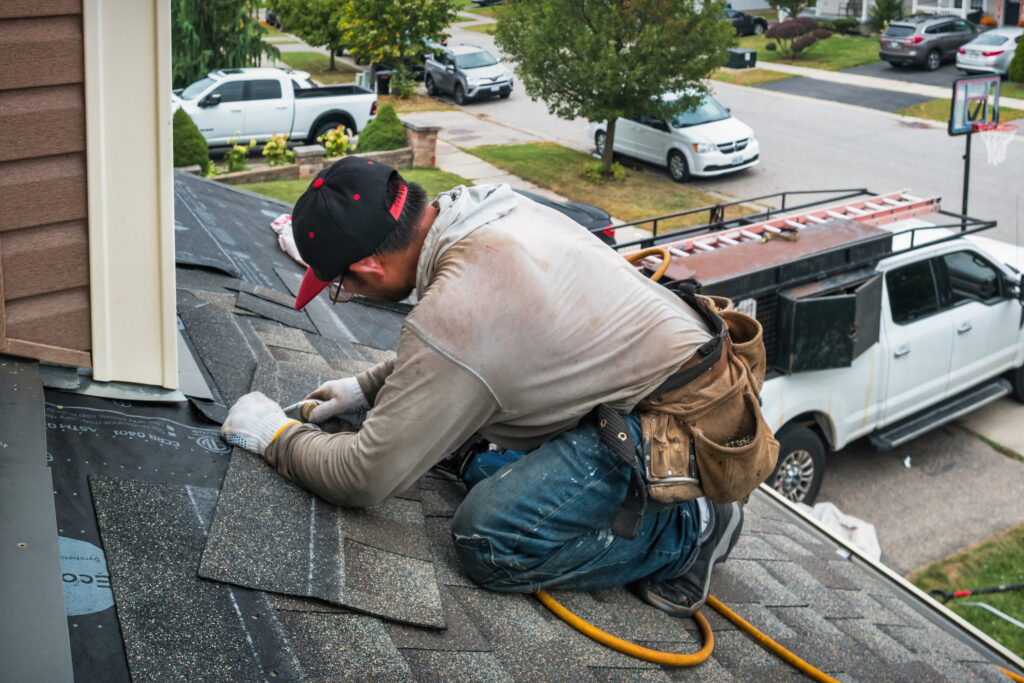
Roof repairs and replacement projects often create additional uncertainty regarding solar service responsibilities.
Many homeowners are unsure who is responsible for removing and reinstalling solar equipment if roof work becomes necessary years after installation. Others question whether roof penetrations, mounting hardware, or structural concerns fall under installer warranties, manufacturer warranties, homeowner insurance policies, or separate maintenance agreements.
The answer may depend heavily on the specific agreement structure, warranty language, installation terms, and servicing arrangements associated with the system.
Because these situations often involve multiple parties, homeowners may find it difficult to determine who should coordinate inspections, approve work, or manage communication between contractors.
Maintaining organized documentation related to installation details, warranties, servicing communications, and roof inspections may become especially important if questions arise later.
Why Some Homeowners Feel Unprepared for Long-Term Maintenance Questions
During the initial sales process, many homeowners focused primarily on projected energy savings or monthly payment structures rather than long-term operational logistics.
As a result, some consumers later realize they were not fully prepared for questions involving equipment maintenance, servicing responsibilities, monitoring systems, or warranty coordination years after installation.
This does not necessarily mean information was intentionally withheld. However, the complexity of residential solar agreements may leave some homeowners uncertain about where responsibilities begin and end once the system is operational.
Questions often arise regarding who handles routine inspections, whether servicing appointments require homeowner approval, how replacement parts are authorized, and what happens if a servicing company changes.
Because solar systems are designed to operate over decades, these operational questions may become increasingly important as systems age and industry conditions evolve.
The Importance of Preserving Solar Documentation
As homeowners attempt to better understand equipment ownership and servicing responsibilities, preserving organized documentation may become increasingly valuable.
Relevant records may include installation agreements, financing documents, monitoring setup instructions, warranty materials, maintenance records, servicing notices, communication history, and equipment specifications.
Some homeowners also choose to preserve screenshots of monitoring issues, copies of repair requests, and written servicing responses.
Maintaining accurate records may help homeowners better understand the timeline of events if servicing concerns arise later or if multiple companies become involved in managing different aspects of the account.
In situations where homeowners seek additional information regarding their agreement, a qualified attorney may review certain documentation to better understand the servicing structure and operational history associated with the system.
Solar Cancellation Resource Center does not perform legal reviews, interpret contracts, or provide legal advice. SCRC is a marketing and intake company that connects homeowners with qualified law firms that may review submitted documentation to determine whether additional legal review may be appropriate.
Why Warranty Coverage Can Become Complicated
Warranty discussions often create additional confusion because several different types of warranties may apply to a single residential solar system.
Equipment manufacturers may provide product warranties covering panels, inverters, or batteries. Installers may separately provide workmanship warranties related to labor or installation quality. Financing or leasing companies may include additional servicing provisions within the agreement itself.
Because these warranties may involve different timelines, exclusions, servicing procedures, and responsible parties, homeowners sometimes struggle to determine which company handles a particular issue.
Questions may also arise when original installers are no longer operating or when servicing responsibilities transfer to another organization.
In these situations, maintaining copies of all warranty documentation may help homeowners better understand the coverage structure associated with the system.
Why Homeowners Are Reviewing Their Agreements More Closely
As the residential solar market continues maturing, many homeowners are taking a closer look at the agreements they originally signed years earlier.
Long-term servicing questions, monitoring interruptions, maintenance delays, and industry restructuring have encouraged some consumers to seek a better understanding of how their solar arrangement is structured.
This does not automatically indicate wrongdoing or legal violations. However, homeowners may still wish to remain informed about their obligations, servicing relationships, and documentation if questions arise regarding system performance or account management.
A qualified attorney may review certain agreements or servicing records if a homeowner seeks additional guidance regarding their specific circumstances.
SCRC does not determine legal eligibility or provide legal conclusions regarding any homeowner’s situation.
Understanding the Importance of Long-Term Awareness
Residential solar agreements are long-term arrangements that may continue for decades after installation. During that time, homeowners may encounter servicing transitions, equipment aging, utility changes, monitoring platform updates, and operational restructuring within the industry.
Because so many variables can evolve over time, staying organized and informed may help homeowners better navigate questions regarding ownership, maintenance, warranties, and servicing responsibilities.
Many homeowners are now realizing that understanding who services the system can be just as important as understanding who owns it.
Keeping clear records, preserving communications, and reviewing documentation periodically may help reduce confusion if servicing concerns arise later.
Staying Informed About Your Solar Agreement
Understanding the distinction between equipment ownership and service responsibility may help homeowners better navigate the increasingly complex residential solar environment of 2026.
In many situations, different companies may manage equipment ownership, monitoring systems, customer service operations, financing administration, and maintenance coordination simultaneously. As industry restructuring continues, homeowners may encounter additional servicing changes over the lifespan of the agreement.
Solar Cancellation Resource Center is not a law firm and does not provide legal advice. SCRC is a marketing and intake company that connects homeowners with qualified law firms that may review submitted documentation to determine whether further legal review may be appropriate.
No attorney-client relationship is created by contacting SCRC or submitting information through its intake process.
The decision to stop making payments must only be considered under the advice and representation of a qualified attorney.
Homeowners seeking additional information may submit their documentation for a free intake to see whether their situation may be appropriate for review by a qualified law firm.
Take the First Step Toward a Contract Review
Ready to turn your concerns into a clear path forward? Submit your information for a free, no-obligation intake to learn more about your potential options
- See if You Qualify for Cancellation: Take Our 60-Second Quiz
- Read Homeowner Reviews: Follow Us on Facebook
- Connect with Attorneys at Consumer Advocacy Law Group: Find Us on Google My Business
SCRC is not a law firm and does not give legal advice. SCRC does not advise any consumer contracted with the solar system to stop making payments without consulting an attorney first. Nothing in this communication establishes any type of attorney client relationship, SCRC is a marketing organization that connects consumers with qualified legal professionals.