
If your solar agreement is causing you stress — bills that are higher than promised, a system that isn’t producing the way it was sold, an installer that won’t return your calls, or a contract you feel was misrepresented at the kitchen table — you are not alone. Thousands of homeowners across the country are looking for a way out of solar agreements that no longer make sense for their household.
This guide walks you through the contract types you may be dealing with, the most common reasons homeowners look for an exit, what the process looks like when SCRC organizes your documentation for a qualified law firm, what timelines and costs typically look like, and what may happen after a matter is resolved. SCRC does not analyze your contract or determine your legal rights — that’s the role of a qualified attorney. What we do is collect and organize your information so a qualified law firm can determine whether your situation may warrant a legal review.
Important: SCRC is not a law firm. We do not provide legal advice. We connect homeowners with Consumer Advocacy Law Group, the qualified law firm we work with. The decision to stop making payments must only be considered under the advice and representation of a qualified attorney.
The first thing to understand is that not all solar agreements are the same. The type of contract you signed determines who owns the equipment, who you make payments to, and what the cancellation conversation may look like with a qualified attorney. Most homeowners we hear from fall into one of four categories. The table below summarizes the basics.
Why this matters:
the legal grounds and procedural posture for a lease or PPA cancellation are different from those for a financed solar loan. With a lease or PPA, the dispute typically involves the solar company that owns the equipment. With a loan, there is also a third-party lender — companies like GoodLeap, Mosaic, or Sunlight Financial — that holds the note and has filed a UCC-1 lien on the solar equipment (not on your home). A qualified attorney will look at the specific paperwork in your file to determine what may apply in your situation.
If you financed your solar panels, the lender almost certainly filed a UCC-1 financing statement on the solar equipment. This is a routine step that protects the lender’s interest in the panels — it is filed against the solar equipment itself, not against your home. Many homeowners are surprised to learn this exists when they try to sell their house. A qualified attorney can review what the lien means for your specific situation.
Homeowners have a wide range of consumer protections that may apply to a solar agreement, depending on the state, the contract, and the conduct of the salesperson and installer. SCRC does not interpret these laws for you — only a qualified attorney can do that. What we can do is point to the categories of protections that a qualified law firm may consider when reviewing your file.
Federal Consumer Protections That May Apply
Most states have a consumer protection statute that prohibits deceptive and unfair trade practices. Examples include California’s Consumer Legal Remedies Act (CLRA) and Business & Professions Code 17200, Florida’s Deceptive and Unfair Trade Practices Act (FDUTPA), and similar statutes in Texas, Arizona, Nevada, and other states. Many states also have solar-specific disclosure laws. A qualified attorney can determine whether any of these may apply to your situation.
Beyond statutes, the contract itself is a starting point. A qualified attorney may review whether what was promised verbally (savings, production, transferability, payments to you for excess generation) matches what the contract says, and whether there are grounds related to misrepresentation, breach, or non-performance that may be a potential issue. SCRC does not make this determination — we collect the documents that allow a qualified law firm to do so.
Across thousands of intakes, the same patterns come up again and again. If any of these sound like your situation, your file may be worth submitting for a legal review by a qualified law firm.
The pitch promised a lower electric bill, often combined with a payment to the solar company that was supposed to be roughly equal to the savings. In practice, many homeowners now have two bills — the utility bill that did not drop the way they expected, plus the solar payment — for a higher total than before solar. Whether this rises to the level of misrepresentation in your specific contract is a question a qualified attorney may review.
Many homeowners were told they would receive credits or payments for excess production, or that the system would offset close to 100 percent of their usage. When the reality differs significantly from what was represented, that gap may be a potential issue worth a legal review.
Production failures, monitoring outages, panels that were installed but never turned on (PTO never granted by the utility), and installers who will not return service calls are extremely common. A system you are paying for that does not work may be a potential issue under contract or warranty law.
Verbal promises about transferability, government rebates, free panels, tax credits, or buyout options that do not appear in the written contract come up constantly. A qualified attorney may review whether what was said at the kitchen table — versus what is in the contract — may be a potential issue.
Buyers and their lenders often refuse to take over a 20- or 25-year solar lease, PPA, or financed loan. Homeowners are then stuck — the contract that was sold as a benefit becomes the reason a sale falls through. A qualified law firm may review whether the original contract or sales process gives grounds to address the issue before the home is listed.
Verbal promises about transferability, government rebates, free panels, tax credits, or buyout options that do not appear in the written contract come up constantly. A qualified attorney may review whether what was said at the kitchen table — versus what is in the contract — may be a potential issue.
Buyers and their lenders often refuse to take over a 20- or 25-year solar lease, PPA, or financed loan. Homeowners are then stuck — the contract that was sold as a benefit becomes the reason a sale falls through. A qualified law firm may review whether the original contract or sales process gives grounds to address the issue before the home is listed.
Take this quiz to see if you're eligible for cancellation.
Many homeowners feel overwhelmed at the idea of taking on a solar company and a lender at the same time. SCRC’s role is to make the process simple. We are a marketing and intake organization that does the document collection and coordination so the qualified law firm can focus on the legal work. Here is what the process generally looks like.
Throughout this process, SCRC is your point of contact for status updates and document handling. The legal work — what claims may apply, how to pursue them, and what outcomes may be possible — is handled by Consumer Advocacy Law Group, the qualified law firm.
There is no one-size-fits-all timeline. The honest answer is that timelines vary based on the strength of the documentation, the response time of the solar company and lender, the state, and the specific facts of the matter. SCRC’s part — the intake and document collection — typically takes a few days to a couple of weeks, depending on how quickly the homeowner can pull together the paperwork. Once the file is with the qualified law firm, the attorney sets the schedule based on what the matter requires.
What you can do to keep things moving: gather your contract, payment history, communications with the installer (texts, emails, voicemails), copies of your utility bills before and after solar, and any marketing materials or proposals you were shown. The more complete the file you provide, the faster the qualified law firm can determine whether a legal review is warranted.
This is the question almost every homeowner asks first, and the answer depends entirely on the path you take. SCRC works on a flat, transparent fixed-fee model — there are no hourly surprises and no percentage cuts. The fixed fee covers SCRC’s intake, document organization, and coordination with Consumer Advocacy Law Group. Comparing the three common paths makes the differences clear.
The fixed-fee model is one of the main reasons homeowners choose SCRC over going it alone or trying to find a law firm directly. You know what you are paying upfront, before the work begins. For a more detailed cost breakdown, see our cost guide page.
Outcomes vary, and SCRC does not make outcome guarantees — that would not be honest or accurate. What we can describe is the range of possible outcomes a qualified attorney may pursue, depending on the facts of the matter and applicable law.

In some matters, a qualified attorney may pursue rescission, which generally unwinds the contract.

Many matters resolve through negotiated settlements between the parties.
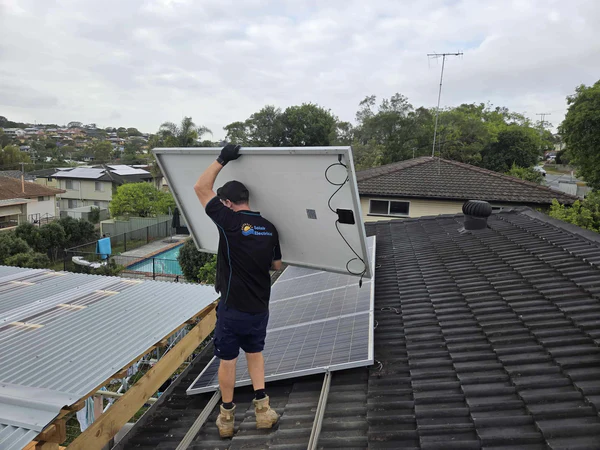
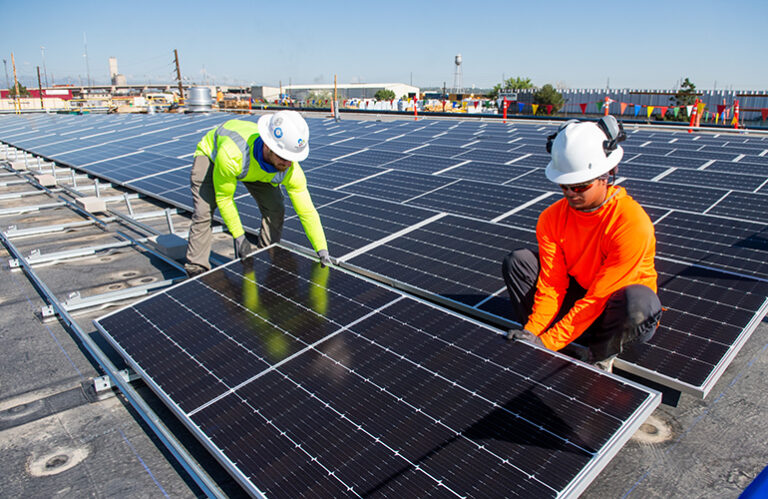
Depending on the resolution, the panels may stay, may be removed, or may be addressed in another way as part of the resolution.
If financing is involved, how the loan and the UCC-1 lien on the solar equipment are addressed depends on the terms of the resolution.
The decision to stop making payments must only be considered under the advice and representation of a qualified attorney. Stopping payments without legal guidance can complicate your matter and your finances. If this question comes up, raise it with the qualified attorney handling your file.
Some homeowners attempt this, but solar contracts are long, complex, and written by the solar company’s attorneys. A qualified law firm has the legal training to identify what may be a potential issue. SCRC’s role is to collect and organize your documentation so the qualified law firm can review it.
No. SCRC is a marketing and intake service. We are not a law firm and do not provide legal advice. We connect homeowners with Consumer Advocacy Law Group, the qualified law firm we work with.
No. SCRC collects and organizes your documentation. The legal review of your contract and your situation is performed by a qualified attorney at the law firm we work with.
SCRC operates on a flat, transparent fixed-fee model. There are no hourly billing surprises. The intake is free, and the fixed fee is disclosed before any engagement begins.
Many solar matters resolve without a courtroom hearing. Whether your situation involves litigation depends on the facts of the matter and the strategy the qualified attorney recommends.
The decision to stop making payments must only be considered under the advice and representation of a qualified attorney. Do not stop making payments based on general information found online.The decision to stop making payments must only be considered under the advice and representation of a qualified attorney. Do not stop making payments based on general information found online.
Outcomes vary. Depending on the resolution and the type of contract, the panels may stay in place, may be removed, or may be addressed in another way. The qualified attorney handling your matter can describe what is likely in your specific situation.
Yes. State consumer protection laws and solar-specific statutes vary. SCRC works with homeowners across the country, and Consumer Advocacy Law Group reviews matters under the law applicable to each homeowner’s state.
Yes. Several major solar installers have closed in recent years, and homeowners are often left with active contracts, lender obligations, and panels that no one is servicing. Submit your information for a free intake — the qualified law firm we work with may review whether your matter still has actionable claims.
Initial intake can usually be completed within a few minutes by phone or through the online form. Full document collection generally takes a few days to a couple of weeks, depending on how quickly the homeowner provides their documentation.
Yes. SCRC works with homeowners on lease, PPA, loan, and purchase agreements. The legal grounds and procedural considerations differ by contract type, and the qualified attorney addresses those differences when reviewing your file.
This is one of the most common reasons homeowners contact us. Submit your information for a free intake before you list, if possible — addressing the contract before a buyer walks away tends to be smoother than addressing it under closing pressure.
These are the questions homeowners ask SCRC most often during intake. The answers are general information — they are not legal advice and they do not create an attorney-client relationship.


Submit your information for a free intake. SCRC will collect your documentation and forward it to Consumer Advocacy Law Group, the qualified law firm we work with.