
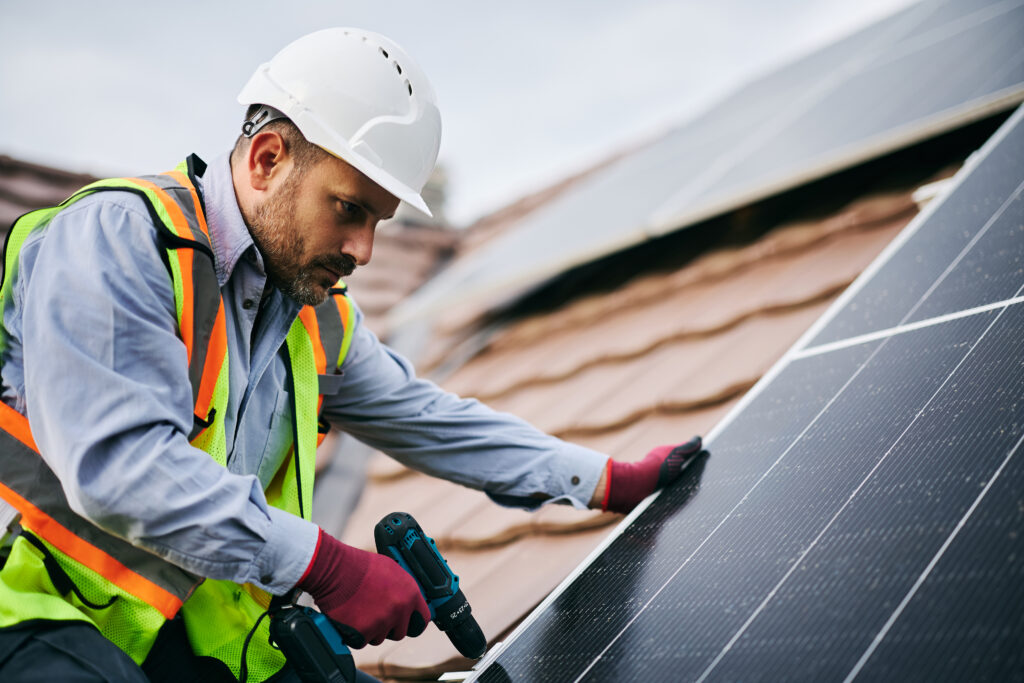
The residential solar industry in 2026 has reached a complex crossroads. While renewable energy remains a cornerstone of the modern power grid, the corporate landscape behind these installations is shifting beneath the feet of thousands of homeowners. A troubling trend has emerged that leaves many families in a state of financial and technical limbo: the rise of “orphaned” systems resulting from company closures and the subsequent “phoenixing” of solar providers.
At the Solar Cancellation Resource Center (SCRC), we act as a specialized marketing and intake organization dedicated to helping homeowners navigate this uncertainty. We focus on the logistical first step of the journey, collecting and organizing information, so that a qualified law firm, such as our partners at Consumer Advocacy Law Group, may determine whether an agreement qualifies for further legal review.
Understanding the “Phoenix” Effect in the 2026 Solar Market
The term “phoenixing” refers to a business practice where a company intentionally closes its doors, often to escape mounting debt, consumer lawsuits, or service obligations, only to emerge shortly after under a new name, with the same leadership, and often in the same geographic area.
In 2026, we have seen specific instances of this in regions like Columbia, South Carolina, and across the Southeast. A homeowner might have signed a 25-year contract with a company like “Homestar Solar,” only to find that the office has been shuttered. Months later, a “new” company with a different logo but the same sales representatives appears just a few miles away.
For the homeowner, this creates a massive service vacuum. When the original entity ceases to exist, the 25-year workmanship warranties and performance guarantees often vanish with it. However, the monthly payment obligations to the third-party lender typically remain in full effect. This discrepancy is a primary reason why homeowners seek a professional review of their documentation.
The Reality of Solar Company Bankruptcy in 2026
The industry has recently been rocked by headlines regarding major players. While some companies face total liquidation, others navigate the complexities of a Freedom Forever bankruptcy in 2026 or similar Chapter 11 reorganizations. These filings often result in a “service failure” that affects the homeowner’s ability to maintain their equipment.
Furthermore, even when the installer remains active, a SolarEdge service failure or a delay in manufacturer parts can stall a system for months. When the installer who is supposed to facilitate that warranty claim is no longer in business, the homeowner is left with an “orphaned” system, hardware on the roof that does not produce power, yet continues to cost money every month.
The High Cost of an “Orphaned” System
An orphaned solar system is more than just a technical inconvenience; it is a long-term financial burden. When a solar installer is closed but reopened under a new name, they often refuse to honor the service contracts of the previous entity. This leaves the homeowner responsible for:
- Independent Repair Costs: Finding a third-party electrician willing to work on another company’s proprietary installation.
- The “Double Bill” Phenomenon: Paying the full monthly solar loan payment while simultaneously paying a high utility bill because the system is non-functional.
- Removal Expenses: If the system is permanently broken, the cost of removing the panels and repairing the roof can reach thousands of dollars.
When a homeowner provides their documentation to SCRC, we help compile a timeline of these service failures. By organizing your correspondence, repair bills, and production reports, we ensure that a qualified law firm has the data necessary to evaluate the situation. A qualified attorney may then determine whether these circumstances justify a legal review of the original agreement.
Tracking Business Shifts: How SCRC Facilitates Information Gathering
One of the most difficult parts of dealing with a “phoenix” company is proving that the new entity is responsible for the old one’s promises. Homeowners often feel like they are being “gaslit” by sales representatives who claim they have no record of the previous contract.
SCRC assists by gathering the necessary information provided by the homeowner to document these shifts. This includes:
- Original sales proposals and contracts.
- Email threads with representatives from both the old and new company names.
- Financing disclosures and payment histories.
We do not perform legal work or analyze these business structures for fraud. Instead, we act as the bridge to professional legal assistance. We connect you with a law firm, such as Consumer Advocacy Law Group, where a qualified attorney may review the relationship between these entities and determine if there are potential legal options available to you.
The Relationship Between Equipment Liens and Company Closures
A common point of confusion for homeowners is the status of the equipment on their roof after an installer goes out of business. It is vital to clarify that most solar financing involves a UCC-1 financing statement, which is a lien on the solar equipment, not necessarily a lien on the home itself.
However, even if the installer is gone, this lien on the solar equipment remains. This can complicate home sales or refinances, as the lender still holds a secured interest in hardware that may no longer be functional. SCRC helps homeowners organize their financing statements so that a qualified attorney may review how these filings impact the homeowner’s long-term property goals.
Why Documentation is the Key to Accountability
If you are dealing with a company that has “phoenix-ed” or disappeared, your original paperwork is your most valuable asset. The “Operational Bargain” of your contract was based on the promise of 25 years of service. When that service stops, the documentation serves as the record of that broken promise.
At SCRC, we do not identify violations or perform audits. Our mission is to ensure your file is “review-ready.” When the homeowner provides their documentation, we organize the “then vs. now” data—comparing the original sales promises to the current reality of an abandoned system. This organization allows a qualified law firm to perform a more efficient review of your potential legal options.
Navigating 2026 Consumer Protection Standards
The 2026 regulatory environment is evolving to address the “phoenixing” trend. Some state-specific consumer protection laws are now being reviewed by legal professionals to see if they apply to successor entities that take over the customer base of a failed company.
A qualified law firm may determine whether your specific agreement qualifies for a legal review under these updated standards. SCRC’s intake process is designed to capture the specific facts of your case—such as the date the installer closed and the date the “new” entity contacted you, so that a qualified attorney may evaluate if these actions align with the terms originally presented in your agreement.
The Decision to Stop Payments: A Critical Warning
When a system stops working and the company is gone, it is a natural reaction to want to stop making payments to the lender. However, this is a decision fraught with risk.
The decision to stop making payments must only be considered under the advice and representation of a qualified attorney. SCRC does not advise any homeowner to cease their financial obligations. Stopping payments without legal guidance can lead to consequences that only a legal professional can properly navigate. Our focus remains on the intake of information so that a qualified attorney may review your potential options while you remain in compliance with your current obligations.

How SCRC Supports the Intake Process
Navigating a solar company bankruptcy in 2026 is overwhelming. Our process at the Solar Cancellation Resource Center is designed to reduce that stress. We help you compile a comprehensive case file, including:
- The Original “Savings Analysis”: The graph that showed you how much you would save over 25 years.
- Service Records: Proof that you attempted to contact the company for repairs.
- The Installer Agreement: The fine print regarding workmanship warranties.
By ensuring this information is collected and organized properly, we create a clear pathway for you to be connected with a law firm. A qualified attorney may then review the technicalities of the service failure and determine if there are grounds to explore termination or modification of the agreement.
Next Steps for Homeowners with “Orphaned” Systems
If your solar company has closed, reopened under a new name, or stopped responding to your service needs, you shouldn’t feel like you are stuck with a non-functional system forever. The first step is not a legal one, but a logistical one: getting your facts in order.
By submitting your information for a free intake with SCRC, you are taking the proactive step of documenting the failure of your “Operational Bargain.” We collect and organize your information so that it is ready for a professional evaluation. From there, we connect you with a law firm, such as Consumer Advocacy Law Group, where a qualified attorney may review the specific impact of the company’s closure on your contract.
The Importance of Professional Legal Review
The residential solar industry is filled with complex jargon and third-party relationships. When an installer disappears, the lender often claims they have no responsibility for the equipment’s performance. This is why connecting with a qualified law firm is so critical.
A qualified attorney may determine whether the FTC Holder Rule or other consumer protections apply to your situation, potentially allowing you to hold the lender accountable for the installer’s failure to provide service. SCRC’s mission is to act as the bridge in this process, ensuring you have access to professionals who can navigate these dense legal waters.
Turning Abandoned Systems into Actionable Information
A solar escalator, a declining production rate, and a defunct installer can make a contract feel like a permanent burden. However, the “Phoenixing” of companies in 2026 has created a new urgency for contract transparency. While SCRC does not provide legal advice or guarantee outcomes, we believe that every homeowner deserves to have their situation reviewed by a professional.
By collecting and organizing your documentation today, you are preparing yourself for the possibility of relief tomorrow. Don’t let an “orphaned” system sit on your roof without a fight. Take the first step by organizing your records and seeing if you may be eligible for a legal review.
Take the First Step Toward a Contract Review
Ready to turn your concerns into a clear path forward? Submit your information for a free, no-obligation intake to learn more about your potential options
- See if You Qualify for Cancellation: Take Our 60-Second Quiz
- Read Homeowner Reviews: Follow Us on Facebook
- Connect with Attorneys at Consumer Advocacy Law Group: Find Us on Google My Business
SCRC is not a law firm and does not give legal advice. SCRC does not advise any consumer contracted with the solar system to stop making payments without consulting an attorney first. Nothing in this communication establishes any type of attorney client relationship, SCRC is a marketing organization that connects consumers with qualified legal professionals.