

If your solar bill is higher than expected, your panels are not performing the way they were described, or your long-term solar lease is making it harder to sell or refinance your home, you are not alone. Thousands of homeowners across the country are looking for information about what their options may be.
Solar Cancellation Resource Center is a marketing and intake company. SCRC does not perform legal work. What SCRC does is collect and organize the information you provide and connect you with a qualified law firm — such as Consumer Advocacy Law Group — that may review your situation and determine whether your agreement may qualify for a potential legal review. SCRC operates on a fixed-fee model, holds an A+ rating with the Better Business Bureau, and only works with consumers who submit their information for free intake.
This page provides general information about solar lease agreements and how the intake and review process may work. It does not provide legal advice and does not guarantee any outcome. If you would like to learn whether you may be eligible for a legal review, you can submit your information through the free intake form at any point on this page.
A solar lease is an agreement in which a third party (the leasing company) installs and owns the solar equipment on your roof, and you pay a monthly fee for the right to use the electricity it generates. Solar lease terms typically run 20 to 25 years. The leasing company retains ownership of the equipment for the duration of the lease, and many agreements include annual escalator clauses that increase your monthly payment over time.
Many homeowners begin researching solar lease cancellation for one or more of the following reasons:
SCRC follows a structured intake process. Each step is designed to gather complete information before connecting you with a qualified law firm. SCRC does not perform legal work at any stage.
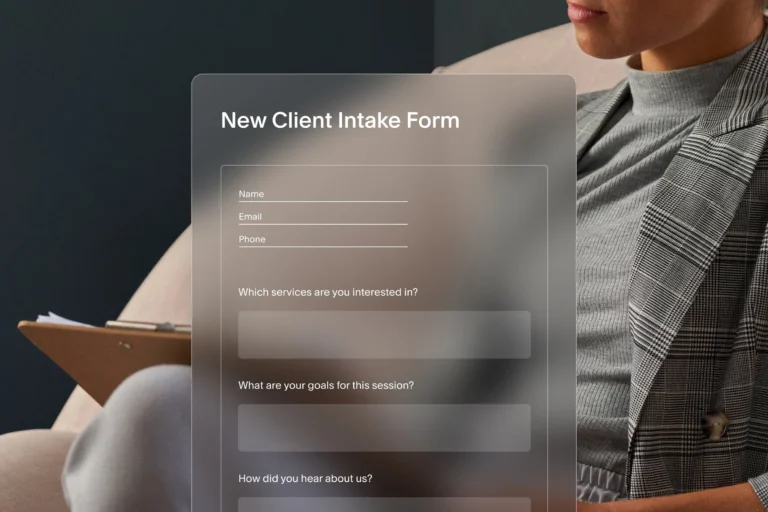
You complete a short intake form (also referred to as a qualifier on this site) that asks about your solar agreement, the company that installed it, what was described to you at the point of sale, and the issues you have experienced since. The intake takes approximately 60 seconds and there is no cost or obligation to submit your information.

If your initial intake suggests there may be matters worth a legal review, an SCRC specialist follows up to collect additional information. The homeowner provides their documentation — including the solar agreement, sales materials, communication records, monthly statements, and electric bills from before and after installation. SCRC organizes the information you provide; SCRC does not analyze, audit, or interpret your contract.

The information you provide is then forwarded to a qualified law firm, such as Consumer Advocacy Law Group. A qualified attorney may review your documentation and determine whether your agreement may qualify for a potential legal review. Any decision about whether your case has merit, what legal grounds may apply, and what next steps may be appropriate is made by the attorney — not by SCRC.

If a qualified attorney determines that your agreement may be eligible for legal review, the law firm communicates directly with you about the next steps. From this point forward, the relationship is between the homeowner and the law firm. Any legal action, demand correspondence, negotiation, or representation is handled by the law firm. SCRC’s role is complete once the connection has been made.
There are several situations that have led homeowners to submit their information for intake. The information below is general and educational. Whether any specific situation may qualify for a legal review is determined by a qualified attorney, not by SCRC.
Some homeowners report that the savings or production figures described at the point of sale did not match what actually happened after installation. A qualified attorney may review whether this may be a potential issue under state consumer protection laws.
Some homeowners report that their solar equipment has stopped producing, that monitoring data shows production well below what was described, or that service requests have gone unanswered. A qualified attorney may review whether this may be a potential issue under the terms of the agreement.
Some homeowners report that a potential buyer has refused the property because of the solar lease, or that a refinance has been affected by the UCC-1 fixture filing on the solar equipment. A qualified attorney may review the homeowner’s options.
Recent bankruptcy filings in the solar industry — including SunPower — have left many homeowners without responsive service or honored warranties. A qualified attorney may review whether the practical breakdown of the company’s obligations may be a potential issue.
About Payments
The decision to stop making payments must only be considered under the advice and representation of a qualified attorney. SCRC does not provide guidance on whether or when payments should continue or stop. If you have submitted your information and been connected with a qualified law firm, any questions about payments should be directed to the attorney handling your matter.
Timelines vary based on the complexity of the situation, how quickly the homeowner provides documentation, and how the qualified law firm handles the matter once it is in their hands. The general phases that homeowners may expect are described below.
SCRC does not control or guarantee the timing or outcome of any process handled by a qualified law firm. Each matter is unique. The information above describes general phases — not a guaranteed schedule.
Many homeowners are not sure whether they have a solar lease or a solar loan. The distinction matters because the agreements are structured differently and a qualified attorney may apply different review considerations to each.
Most solar lease agreements include a UCC-1 fixture filing. This is a notice filed in public records that places a lien on the solar equipment itself — not on your home. The UCC-1 protects the leasing company’s ownership interest in the equipment they installed.
Even though the lien is on the solar equipment, it can affect a home sale or refinance because title companies and lenders see the filing during their searches. Some buyers and lenders are not comfortable proceeding with a property until the filing is resolved. A qualified attorney may review the homeowner’s options for addressing the UCC-1 filing on the solar equipment.
Why Homeowners Choose SCRC for Their Initial Intake
There are several reasons homeowners choose to submit their information through SCRC rather than searching for a law firm independently:
Or call 888-918-2083 to submit your information
The statements below reflect the personal experiences of individual homeowners who completed the SCRC intake process and were connected with a qualified law firm. Individual experiences vary. No outcome is guaranteed.
SCRC is a marketing and intake company. SCRC collects and organizes the information you provide and connects you with a qualified law firm — such as Consumer Advocacy Law Group — that may review your situation. SCRC does not perform legal work, does not analyze contracts, and does not provide legal advice.
No. The intake form is free and takes approximately 60 seconds. Once you submit, SCRC will follow up if additional information is needed. The homeowner provides their documentation as part of the information collection step.
A qualified attorney makes that determination — not SCRC. The intake form gathers initial information that the law firm uses to evaluate whether your agreement may be eligible for a potential legal review.
The initial intake is free. Any fees that may apply later are disclosed in writing before any commitment is made. SCRC operates on a fixed-fee model, which means you would know what fees apply before agreeing to anything.
The decision to stop making payments must only be considered under the advice and representation of a qualified attorney. SCRC does not provide guidance on payment decisions. If you have been connected with a qualified law firm, please direct payment-related questions to the attorney handling your matter.
The UCC-1 fixture filing typically associated with a solar lease is a lien on the solar equipment, not on the home itself. However, the filing can appear in title and lender searches and may affect a real estate transaction. A qualified attorney may review how the filing may apply to your specific situation.
The intake form itself takes approximately 60 seconds. Information collection typically takes one to two weeks, depending on how quickly the homeowner provides the requested documentation. Once SCRC has connected you with a qualified law firm, the timing of any review is determined by the attorney.
Yes. The closure of an installer does not prevent you from submitting your information. A qualified attorney may review whether the practical breakdown of warranty and service obligations may be a potential issue.
Submitting your information to SCRC does not, by itself, change your existing agreement. Any communication with the leasing company about your agreement should be handled by — or under the direction of — a qualified attorney.
No. SCRC does not guarantee any outcome. Whether your agreement may qualify for legal review — and the result of any review — is determined by a qualified law firm based on the specifics of your situation.
These are the questions that come up most often during the SCRC intake process. The answers below are general and educational. They do not constitute legal advice.


Or call 888-918-2083 to submit your information