

For many homeowners, a solar lease was signed 20 or 25 years ago with expectations of long-term savings and simplicity. As those agreements begin reaching their end in today’s market, a new set of questions often comes into focus.
What happens when the lease term expires?
What responsibilities remain?
What options may be available?
While early sales conversations may have suggested a simple outcome, the end of a solar lease often involves several administrative and contractual considerations. The specific terms vary by agreement, and the outcome may depend heavily on the documentation originally provided and the current status of the solar provider.
The Solar Cancellation Resource Center (SCRC) is a national intake company that assists homeowners in collecting and organizing their solar-related documentation. Once submitted, this information can be shared with a qualified law firm, such as our partners at Consumer Advocacy Law Group, where a licensed attorney may review the agreement and discuss potential legal considerations.
Understanding End-of-Term Solar Lease Options
Most solar leases include provisions outlining what may happen at the end of the contract term. While each agreement is different, many fall into several general categories.
1. Fair Market Value (FMV) Buyout Option
One commonly referenced option in solar lease agreements is the ability to purchase the system at its “fair market value” at the end of the term.
In this scenario, the homeowner may be offered the opportunity to pay a lump sum amount in exchange for ownership of the solar equipment.
Things homeowners often consider:
- The buyout amount is typically determined by the solar provider or a third-party valuation process outlined in the agreement
- The system may have experienced normal wear and reduced efficiency over time
- The value assigned to the system may differ from a homeowner’s expectations
If documentation is provided, a qualified attorney may review how the fair market value is determined and whether the process aligns with the terms of the agreement.
2. Lease Renewal or Extension
Some agreements include the option to extend the lease for an additional term, often at adjusted payment terms.
This may involve continuing monthly payments for a defined period, depending on what is outlined in the original contract.
Factors that may be relevant:
- The age and condition of the solar equipment
- Ongoing maintenance responsibilities
- Availability of replacement components for older systems
Additionally, some agreements may include automatic renewal provisions if certain notice requirements are not met.
A qualified attorney may review whether proper notice requirements apply and how those provisions are structured within the agreement.
3. System Removal
If the homeowner does not choose to purchase or extend the agreement, many contracts include provisions related to system removal.
In general, the solar provider may be responsible for removing the equipment, though the specific scope of that responsibility depends on the contract language.
Common considerations may include:
- The extent of roof restoration required after removal
- Whether the contract specifies “weather-tight” repair or full restoration
- The condition of the roof at the time of removal
If documentation is provided, a qualified attorney may review the removal and restoration provisions to determine whether there are any potential legal considerations.
Understanding the UCC-1 Filing (Lien on the Solar Equipment)
Many solar lease agreements involve a UCC-1 Financing Statement filed against the solar equipment.
This filing represents a secured interest in the equipment, not a lien on the home itself, but it may still need to be addressed at the end of the lease term.
For example, the filing may need to be terminated or released depending on the outcome of the agreement.
If there are delays or uncertainties surrounding the status of a UCC-1 filing, a qualified attorney may review the situation to determine whether any legal steps may be appropriate.
Situations That May Affect End-of-Term Outcomes
Every solar lease is different, but there are several factors that may influence how the end-of-term process unfolds.
Aging Equipment
Solar systems installed decades ago may not perform at the same level as newer systems. Over time, normal wear and environmental exposure may affect output.
Provider Changes
Some homeowners find that the original installer or provider is no longer in business or that the agreement has been transferred to another entity.
In these situations, identifying the responsible party may require reviewing documentation provided by the homeowner.
Communication Challenges
In some cases, homeowners report difficulty obtaining clear responses regarding buyout terms, removal scheduling, or documentation.
If documentation is provided, a qualified attorney may review whether these circumstances present any potential legal considerations.
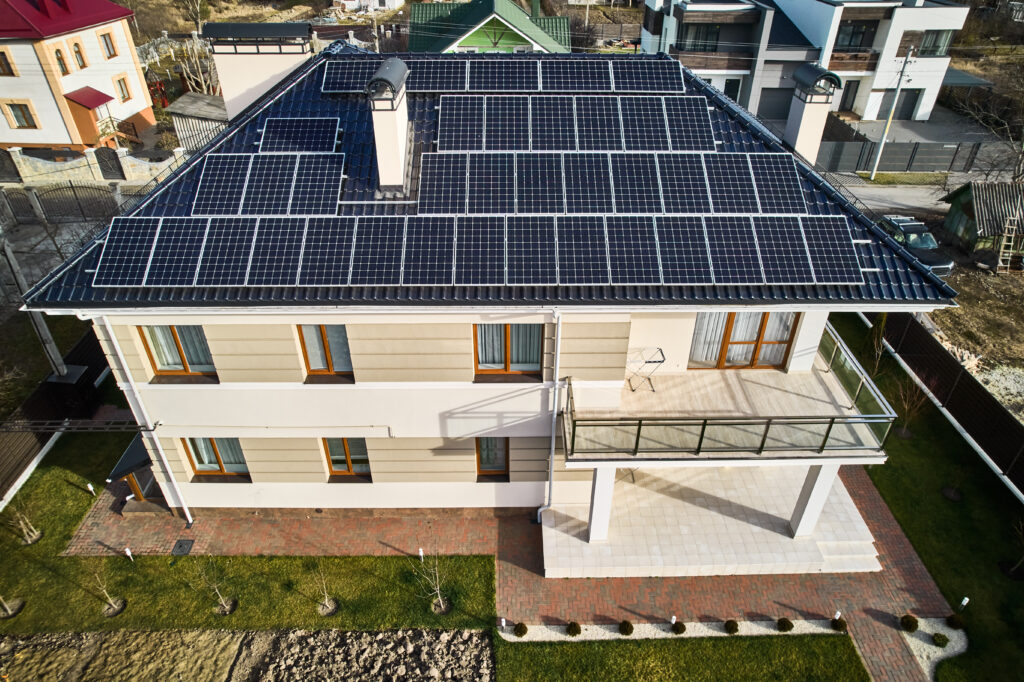
A Less Common Outcome: Equipment Remaining in Place
In certain situations, homeowners report that solar equipment remains in place at the end of a lease term without immediate removal.
This may occur for a variety of reasons, including administrative delays, logistical considerations, or decisions made by the solar provider.
Because each situation is unique, a qualified attorney may review the agreement and surrounding circumstances to determine what options, if any, may be available.
How SCRC Supports Homeowners Through the Intake Process
SCRC does not provide legal advice and does not perform legal analysis. Instead, SCRC focuses on helping homeowners prepare their information so it can be reviewed by a qualified law firm.
This process may include:
Document Organization
Homeowners provide their solar agreements, amendments, and related documentation. SCRC helps organize these materials so they are easier to review.
Information Collection
Relevant details about the system and agreement are compiled to create a clearer picture of the situation.
Law Firm Connection
SCRC connects homeowners with a qualified law firm, such as our partners at Consumer Advocacy Law Group, where an attorney may review the documentation and discuss potential legal options.
Planning Ahead Before Your Lease Ends
Waiting until the final months of a solar lease may limit available options or create time pressure.
If your lease is approaching its end, gathering your documentation in advance may help you better understand your situation.
This may include:
- Reviewing your original agreement
- Identifying any amendments or updates
- Keeping records of communication with the provider
Submitting your information for intake may help ensure that your documentation is organized for potential review by a qualified attorney.
Avoiding Automatic Renewal Issues
Some solar lease agreements include provisions that may automatically extend the contract if certain actions are not taken within a specified timeframe.
These provisions often involve written notice requirements, which may vary by agreement.
If documentation is provided, a qualified attorney may review whether these provisions apply and how they may affect your situation.
Frequently Asked Questions
What happens if I do nothing at the end of my lease?
The outcome depends on the terms outlined in your agreement. Some contracts may include renewal provisions, while others outline next steps such as removal or purchase options.
Can I keep the panels after the lease ends?
This depends on the agreement. In some cases, a purchase option may be available. In others, the provider may retain ownership of the equipment.
Who is responsible for removing the panels?
Responsibility for removal is typically defined in the contract. A qualified attorney may review the agreement to clarify these responsibilities.
What if my solar company is no longer in business?
If documentation is provided, a qualified attorney may review the agreement to help determine which entity, if any, is responsible for the system.
Take the First Step Toward a Contract Review
Ready to turn your concerns into a clear path forward? Submit your information for a free, no-obligation intake to learn more about your potential options.
- See If You May Qualify for Solar Cancellation Options: Take Our 60-Second Quiz
- Read Homeowner Reviews: Follow Us on Facebook
- Connect with Attorneys at Consumer Advocacy Law Group: Find Us on Google My Business
SCRC is not a law firm and does not give legal advice. SCRC does not advise any consumer contracted with the solar system to stop making payments without consulting an attorney first. Nothing in this communication establishes any type of attorney client relationship, SCRC is a marketing organization that connects consumers with qualified legal professionals.