
When Promises Don’t Match Reality
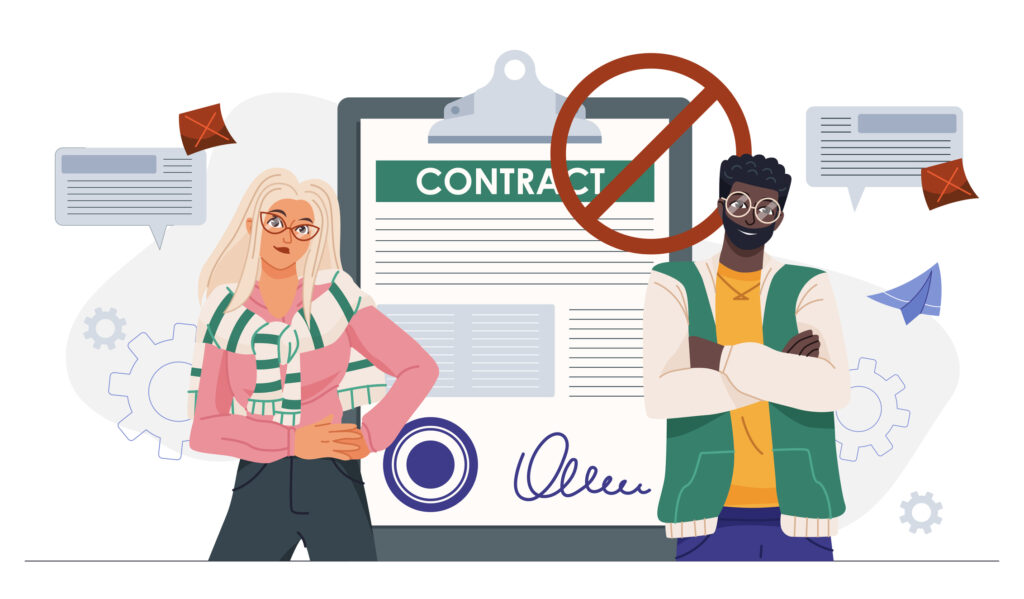
When most homeowners think about getting out of a solar contract, they assume they have to prove the salesperson lied. While misrepresentation is a common issue, there is a much more direct path to cancellation that doesn’t involve “he-said, she-said” arguments or sensitive financial discussions about credit. This path is called Material Breach of Contract.
In simple terms, a contract is a two-way street. You agree to pay, and the company agrees to provide a functioning, legal, and permitted energy system. If the company fails to uphold their end of the operational bargain, these issues may provide grounds for our partner attorneys to seek a contract review. If the forensic audits uncover technical failures, that may allow homeowners to walk away from their agreements entirely.
1. Failure to Secure “Permission to Operate” (PTO)
The most common operational failure in the solar industry is the “Zombie System.” This is a system that has been physically installed on your roof but sits dormant for months, or even years, because the company failed to get Permission to Operate from your local utility company.
If your contract states that the company is responsible for the “interconnection process,” and they have failed to secure PTO within a reasonable timeframe, they are in material breach. You are essentially paying for a “paperweight” on your roof. In many states, including California and Florida, consumer protection laws dictate that a company cannot indefinitely delay the activation of a system while still collecting payments.
2. The “Unpermitted” Installation
Every solar system requires specific building, electrical, and sometimes structural permits from your city or county. We frequently see cases where installers skipped the permitting process to save time and money.
An unpermitted solar system is a significant liability. Not only is it illegal, but it can also prevent you from passing future home inspections. If a forensic audit reveals that your system was installed without the mandatory municipal inspections, the contract might be technically illegal from the moment the first bolt was turned. In the eyes of the law, an illegal contract is often considered void ab initio, meaning it never legally existed in the first place.
3. Equipment “Bait and Switch”
When you signed your contract, it likely specified the exact make and model of the panels and inverters you were purchasing (e.g., “Tier 1” monocrystalline panels). However, due to supply chain issues or simple greed, some installers swap these for cheaper, lower-efficiency alternatives without notifying the homeowner.
This could be a breach of the “Spec” of the contract. If you are paying for high-performance equipment but received “B-Grade” hardware, the company has failed to deliver the goods you agreed to purchase. A technical audit of the serial numbers on your roof compared to your contract is one of the fastest ways to trigger a cancellation.
4. Violation of “Home Solicitation” Laws
Most solar contracts are signed at the homeowner’s front door or kitchen table. This classifies them as Home Solicitation Sales. Federal and state laws (like the FTC’s Cooling-Off Rule) require these contracts to include very specific language, including a detachable “Notice of Cancellation” form in a specific font size.
If the solar company failed to provide these mandatory forms, or if they started “irreversible work” (like drilling into your roof) before your cooling-off period ended, they could have violated statutory consumer protections. These violations can extend your right to cancel far beyond the initial three days, sometimes for as long as a year or more.
5. Abandonment and “Orphaned” Systems
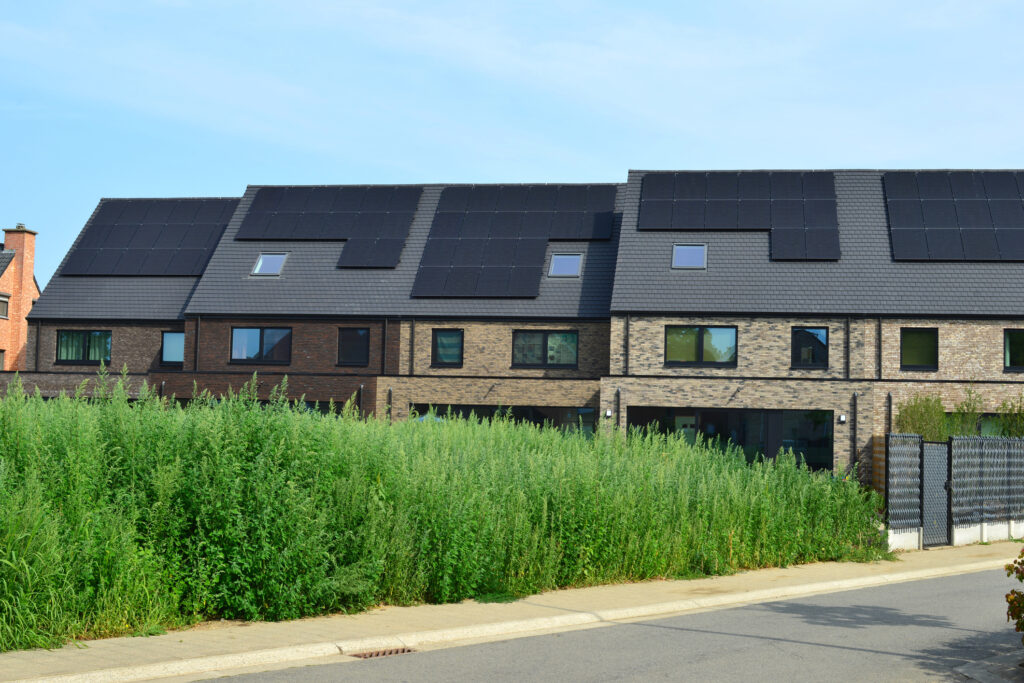
If your solar installer goes out of business or stops responding to service requests, they have abandoned their warranty and maintenance obligations. Most solar contracts include a “Workmanship Warranty.” If there is no one to honor that warranty, the “consideration” of the contract has failed.
When a company “spits you out” and leaves you with no point of contact, you aren’t just an unlucky customer, you are the possible victim of a breached agreement. Our specialists are trained to identify these ‘orphaned’ scenarios. Once documented, we provide this evidence to the attorneys at Consumer Advocacy Law Group, who can then review your contract to determine if the lack of service provides grounds to request a cessation of billing from the lender.
Your Exit is in the Paperwork
You don’t need to feel “stuck” just because the panels are already on your roof. If the company failed to follow the law, failed to get the permits, or failed to provide the equipment you paid for, the law provides a way out. You are simply asserting your right to receive exactly what you signed for, nothing less.
Is your solar system sitting idle or installed without permits? You shouldn’t be paying for a company’s failure. Let SCRC perform a review of your case. Our specialists will look for operational discrepancies that our partner attorneys can then review to determine if you qualify for potential contract relief.
Take the First Step Toward Cancellation
Ready to explore your options for potential contract relief? Let our experts perform a free, no-obligation audit of your solar agreement today.
- See if You Qualify for Cancellation: Take Our 60-Second Quiz
- Read Homeowner Reviews: Follow Us on Facebook
- Connect with Attorneys at Consumer Advocacy Law Group: Find Us on Google My Business
SCRC is not a law firm and does not give legal advice. SCRC does not advise any consumer contracted with the solar system to stop making payments without consulting an attorney first. Nothing in this communication establishes any type of attorney client relationship, SCRC is a marketing organization that connects consumers with qualified legal professionals.