
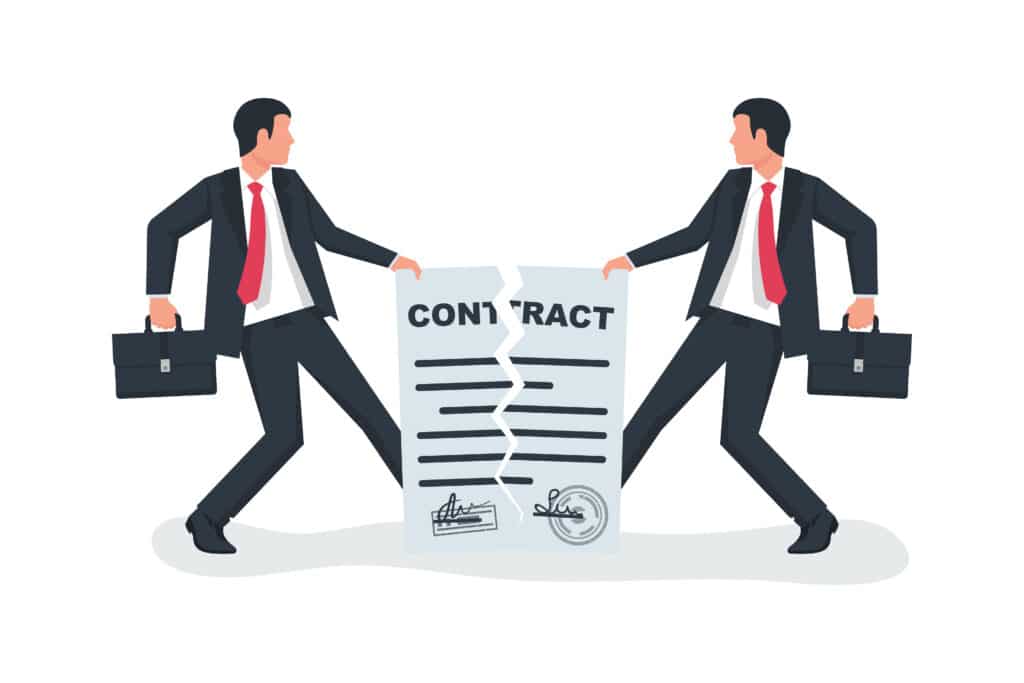
Why Documentation Matters More Than Most Homeowners Expect
For many homeowners, the decision to install solar panels begins with optimism. Lower utility bills, long-term savings, and environmental benefits are often central to the conversation. However, as time passes, some homeowners begin to question whether their expectations align with their actual experience. When that happens, the conversation often turns toward understanding what options may exist, and more importantly, what information is needed to explore those options responsibly.
One of the most overlooked but critical components in this process is documentation. The paperwork tied to a solar agreement is not just a formality; it serves as the foundation for understanding the structure of the agreement, the obligations involved, and the context in which the agreement was signed.
At Solar Cancellation Resource Center (SCRC), the focus is on helping homeowners take the first step by collecting and organizing information. That information may then be shared with a qualified law firm, such as Consumer Advocacy Law Group, where a licensed attorney may review the documentation and determine whether the homeowner may have potential legal options.
Understanding the role of documentation is essential for any homeowner who wants to explore termination options in a responsible and informed way.
The Foundation of Any Review: What Documentation Represents
Every solar agreement is built on a collection of documents that outline the relationship between the homeowner and the solar provider. These documents may include the installation agreement, financing terms, disclosure forms, system specifications, and communication records.
While many homeowners may initially view these documents as routine paperwork, they often serve as the primary source of truth when questions arise later. Documentation captures what was presented, what was agreed upon, and how the agreement was structured at the time of signing.
When a homeowner begins to explore their options, these materials may be reviewed by a qualified attorney to better understand the circumstances surrounding the agreement. Without documentation, it becomes significantly more difficult to reconstruct what occurred during the sales process or to clarify how the agreement was intended to function.
This is why documentation is not just helpful, it is essential.
The Homeowner’s Role in Providing Documentation
A key part of the process involves the homeowner actively gathering and providing their documentation. This step is important not only for accuracy but also for ensuring that any review is based on complete and reliable information.
Homeowners may have access to a variety of materials, including signed agreements, emails, text messages, financing statements, and promotional materials. Each of these pieces may contribute to a broader understanding of the situation.
It is important to note that SCRC does not obtain contracts or documents on behalf of homeowners. Instead, the homeowner provides their documentation directly. This ensures that the process remains transparent and that the information being considered reflects what the homeowner actually received and experienced.
Once collected, this documentation may be organized and prepared for submission to a qualified law firm for further review.
How Documentation May Be Used in a Legal Review
When documentation is shared with a qualified attorney, it may be reviewed in the context of applicable laws and regulations. This does not mean that any specific outcome is guaranteed, but it does allow for a more informed assessment of the situation.
An attorney may look at how the agreement was structured, what disclosures were provided, and whether the terms align with what the homeowner understood at the time of signing. They may also consider communication records to better understand how the agreement was presented.
In some cases, certain elements within the documentation may be reviewed as potential issues. However, it is important to approach this process with realistic expectations. Not every concern leads to a legal claim, and not every agreement will present actionable findings.
The purpose of documentation is not to prove a predetermined conclusion but to provide a clear and accurate record that may support a professional evaluation.
Common Types of Documentation That May Be Relevant
Different types of documentation may play different roles in the review process. Installation agreements often outline the technical and financial structure of the system, while financing documents may clarify payment obligations and terms.
Emails and text messages may provide insight into how the agreement was communicated. Marketing materials or sales presentations may also help establish the context in which the homeowner made their decision.
Even utility bills and production reports may contribute to a broader understanding of the system’s performance relative to expectations.
Each of these elements may be considered as part of a larger picture. When combined, they may help a qualified attorney better understand the full scope of the agreement and the homeowner’s experience.
The Importance of Organization and Accuracy
Providing documentation is only part of the process. Organization and accuracy are equally important. When documents are clearly labeled and presented in a logical order, it becomes easier for a qualified law firm to conduct a meaningful review.
Disorganized or incomplete information may slow down the process or limit the ability to fully understand the situation. This is why SCRC focuses on helping homeowners collect and organize their information before it is shared.
Accuracy is also critical. Homeowners should provide documents exactly as they received them, without alterations or omissions. This ensures that any review is based on authentic and reliable information.
By prioritizing organization and accuracy, homeowners can help create a more efficient and effective review process.
Understanding What Documentation Can and Cannot Do
While documentation is essential, it is important to understand its role within the broader process. Documentation does not automatically lead to a specific outcome, nor does it guarantee that a homeowner will have legal options available.
Instead, documentation serves as the starting point for evaluation. It provides the factual basis that a qualified attorney may use to determine whether further action may be appropriate.
This distinction is important because it helps set realistic expectations. The goal is not to reach a predetermined conclusion but to ensure that any potential options are explored responsibly and based on accurate information.
The Role of Third Parties in Solar Agreements
Many solar agreements involve multiple parties, including installation companies, financing providers, and equipment manufacturers. Documentation often reflects these relationships and may help clarify how responsibilities are distributed.
For example, some agreements may include references to a lien on the solar equipment, which is tied to the financing structure rather than the home itself. Understanding how these elements are documented can be an important part of the review process.
A qualified attorney may examine how these relationships are defined within the documentation and whether they align with the homeowner’s understanding at the time of signing.
Again, the purpose is not to assume an issue exists but to ensure that all aspects of the agreement are clearly understood.
Why Timing Matters When Gathering Documentation
Homeowners who begin gathering documentation early may have a more complete record to work with. Over time, emails may be lost, documents may be misplaced, and details may become harder to recall.
By collecting documentation as soon as concerns arise, homeowners may improve the quality and completeness of the information available for review.
This proactive approach does not imply urgency or pressure. Instead, it reflects the practical reality that documentation is easier to gather when it is still readily accessible.
Taking this step early may help create a smoother process if the homeowner chooses to explore their options further.

The Intake Process and What to Expect
When homeowners submit their information through SCRC, the process begins with intake. This involves collecting basic details and organizing the documentation provided.
SCRC’s role is to facilitate this process and connect homeowners with a qualified law firm. At no point does SCRC provide legal advice or perform legal analysis.
Once the documentation is prepared, it may be shared with a law firm such as Consumer Advocacy Law Group. From there, a qualified attorney may review the materials and determine whether the homeowner may have potential legal options.
This structured approach helps ensure that homeowners are guided through the process in a clear and responsible way.
Setting Realistic Expectations
Exploring termination options is a process that requires patience and clarity. Documentation plays a central role, but it is only one part of a larger evaluation.
Homeowners should approach this process with an understanding that outcomes are not guaranteed. Each situation is unique, and the availability of options may depend on a variety of factors.
By focusing on documentation and working with qualified professionals, homeowners can take a more informed approach without relying on assumptions or promises.
Important Considerations Regarding Payments
As homeowners explore their options, questions about payments may arise. It is essential to approach this topic carefully and responsibly.
The decision to stop making payments must only be considered under the advice and representation of a qualified attorney.
This is a critical safeguard that helps ensure homeowners do not take actions that could have unintended consequences. Any decisions related to payments should be made within the context of professional legal guidance.
Solar Cancellation Resource Center (SCRC) is not a law firm and does not provide legal advice. SCRC is a marketing and intake company that connects homeowners with qualified law firms, such as Consumer Advocacy Law Group.
Submitting information through SCRC does not create an attorney-client relationship. Any legal review or advice would come directly from a qualified attorney after engagement with a law firm.
Documentation is more than just paperwork, it is the foundation for understanding your solar agreement and exploring what options may exist. By collecting and organizing your information, you take an important first step toward clarity.
While documentation alone does not determine outcomes, it creates the opportunity for a qualified attorney to review your situation in a meaningful way. This process allows homeowners to move forward with greater confidence and a clearer understanding of their position.
If you are considering your next steps, you may choose to see if you may be eligible for a legal review by submitting your information for a free intake.
Take the First Step Toward a Contract Review
Ready to turn your concerns into a clear path forward? Submit your information for a free, no-obligation intake to learn more about your potential options
- See if You Qualify for Cancellation: Take Our 60-Second Quiz
- Read Homeowner Reviews: Follow Us on Facebook
- Connect with Attorneys at Consumer Advocacy Law Group: Find Us on Google My Business
SCRC is not a law firm and does not give legal advice. SCRC does not advise any consumer contracted with the solar system to stop making payments without consulting an attorney first. Nothing in this communication establishes any type of attorney client relationship, SCRC is a marketing organization that connects consumers with qualified legal professionals.
