

The rapid expansion of the residential solar industry in the early 2020s brought opportunity, but it also created long-term complications for many homeowners. As of 2026, a growing number of solar companies, including Titan Solar Power, ADT Solar, Pink Energy, SunPower, and PosiGen, have either shut down, entered bankruptcy proceedings, or restructured operations.
For homeowners, this shift can create confusion and frustration. You may find yourself dealing with a system that is no longer being serviced, a monitoring platform that no longer works, or unanswered support requests. At the same time, monthly loan obligations often remain active.
This situation, commonly referred to as an “orphaned solar system,” can raise important questions about your agreement, your responsibilities, and your potential next steps. Understanding how these situations work from a contractual standpoint may help you determine whether your agreement may be eligible for legal review by a qualified attorney.
Understanding the “Orphaned System” Situation
When a solar company ceases operations, the physical system typically remains installed on the home. However, the service and support structure connected to that system may no longer exist.
Most homeowners entered into two separate agreements:
- Installation / Service Agreement – with the solar company responsible for installation, monitoring, and maintenance
- Financing Agreement – with a third-party lender (such as GoodLeap or Mosaic)
Because these agreements are separate, the financing obligation may continue even if the installer is no longer operating.
In some cases, this creates a disconnect between what was originally presented and what is currently being delivered. A qualified attorney may review whether this situation raises potential contractual concerns.
Why Loan Payments May Still Continue
In many financing agreements, the lender’s role is limited to providing funding for the system. As a result, lenders may continue servicing the loan regardless of the installer’s operational status.
This can result in a situation where:
- The system may not be actively monitored
- Maintenance services may not be available
- Warranty-related support may be unclear or unavailable
A qualified attorney may evaluate whether the absence of these services impacts the enforceability of certain terms within the agreement.
Important Consideration Before Stopping Payments
It can be tempting to stop making payments when services are no longer being provided. However, taking that step without legal guidance may create additional complications.
Potential risks may include:
- Default provisions within the loan agreement
- Increased interest rates outlined in the contract
- Continued enforcement of the financing obligation
- Ongoing presence of a UCC-1 filing on the solar equipment
The FTC Holder Rule: A Key Legal Concept
One legal concept that may be relevant in these situations is the FTC Holder Rule (16 C.F.R. § 433.2).
This rule generally states that a lender may be subject to the same claims or defenses that a consumer could assert against the original seller.
In the context of solar agreements, a qualified attorney may review whether:
- Representations made during the sale differ from actual system performance
- Promised services are no longer being provided
- The installer’s bankruptcy affects the original agreement
If applicable, this rule may allow certain concerns with the installer to be raised in relation to the financing agreement.
Situations That May Be Reviewed by an Attorney
While every case is unique, homeowners may consider documenting the following situations for potential legal review:
1. Loss of Monitoring Access
If your system included monitoring services and access is no longer available, this may impact your ability to verify system performance.
2. Unresolved Maintenance or Repairs
If the system requires service (such as addressing roof-related concerns or equipment issues) and no provider is available, this may be relevant.
3. System Not Activated
If installation was completed but the system never received permission to operate (PTO), the system may not be producing energy.
4. Warranty Coverage Changes
If warranty terms appear to have changed due to company closure or transfer of service, this may be important to review.
A qualified attorney may evaluate whether these factors represent potential issues within the agreement.
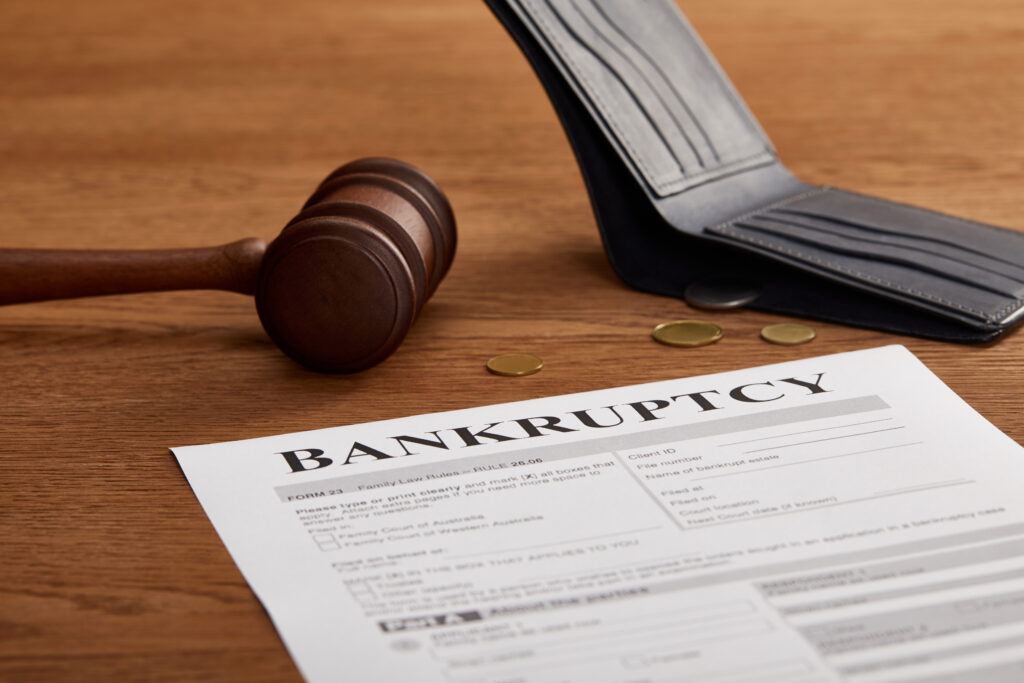
Bankruptcy and Contract Transitions
When a company enters bankruptcy, contracts may be:
- Liquidated (Chapter 7)
- Reassigned or restructured (Chapter 11)
In some cases, another company may assume responsibility for servicing agreements.
If a new entity takes over:
- They may be required to follow the original contract terms
- Changes to service structure or fees may be subject to review
A qualified attorney may determine whether any modifications align with the original agreement.
Successor Companies and Service Changes
Homeowners may receive communication from a new company stating they will now provide service for the system.
In some cases, this may include:
- New service fees
- Modified maintenance structures
- Different response timelines
If these changes differ from the original agreement, a qualified attorney may review whether they are consistent with the contract terms provided at signing.
Steps Homeowners Can Take
If your solar provider is no longer operating, organizing your documentation is an important first step.
1. Gather Your Documents
The homeowner provides their documentation, which may include:
- Original solar agreement
- Financing agreement
- Emails or communications with the installer
- Installation photos or system details
2. Review System Performance
Compare expected performance (if documented) with actual utility outcomes.
3. Identify the Current Loan Holder
Confirm which company is receiving payments and servicing the loan.
4. Check for a UCC-1 Filing
A UCC-1 filing is typically a lien on the solar equipment, but it may still affect future transactions.
5. Document Communication Attempts
Keep records of attempts to contact the installer or successor company.
How SCRC Supports the Intake Process
At the Solar Cancellation Resource Center (SCRC), the focus is on helping homeowners organize their information so it can be reviewed by a qualified law firm.
SCRC’s role includes:
- Collecting and organizing documentation provided by the homeowner
- Identifying key details within agreements and system history
- Connecting homeowners with a qualified law firm, such as our partners at Consumer Advocacy Law Group
A qualified attorney may then review the documentation to determine whether the agreement may qualify for legal review based on the specific facts of the case.
Why Early Action Matters
Waiting too long to address these issues may make the situation more complex, especially if documentation becomes harder to retrieve or deadlines pass.
Taking a proactive approach allows:
- Better organization of records
- Clearer understanding of your agreement
- Timely connection with legal professionals if needed
You Are Not Alone
Many homeowners are currently navigating similar situations due to changes in the solar industry.
While each agreement is different, there may be potential legal options depending on the facts and documentation provided.
Understanding your position, and having your documents properly organized, can help you take the next step with clarity.
Take the First Step Toward a Contract Review
Ready to turn your concerns into a clear path forward? Let our contract specialists perform a free, no-obligation review of your solar agreement today.
- See if You Qualify for Cancellation: Take Our 60-Second Quiz
- Read Homeowner Reviews: Follow Us on Facebook
- Connect with Attorneys at Consumer Advocacy Law Group: Find Us on Google My Business
SCRC is not a law firm and does not give legal advice. SCRC does not advise any consumer contracted with the solar system to stop making payments without consulting an attorney first. Nothing in this communication establishes any type of attorney client relationship, SCRC is a marketing organization that connects consumers with qualified legal professionals.