Florida Solar Contract Cancellation — Your Rights Under FDUTPA, After Hurricanes, and With Florida-Specific Solar Issues
Florida is one of the top three U.S. solar markets — and one of the most actively prosecuted by the Florida Attorney General for residential solar fraud. The Florida AG’s office has filed multiple FDUTPA lawsuits against residential solar companies in recent years, including high-profile actions against MC Solar and Roofing (which allegedly abandoned contracts, filed liens, and forged applications) and SetUp My Solar. These enforcement actions reflect a pattern of homeowner complaints that the AG’s office continues to pursue.
Florida’s solar landscape has unique pressures. Hurricanes Helene and Milton in 2024 caused widespread roof and solar-system damage along the Gulf Coast and inland. FPL’s multi-year rate settlement is pushing electric bills higher through 2029, changing the math on systems that were sold based on prior rate assumptions. The 30% federal residential clean energy tax credit ended for homeowner-owned systems installed after December 31, 2025. And Florida’s PACE program for residential solar has been the subject of separate litigation — federal courts have confirmed that PACE loans are subject to the federal Truth in Lending Act.
Solar Cancellation Resource Center is a marketing and intake service. We collect and organize Florida homeowners’ contract documents and connect qualifying homeowners to Consumer Advocacy Law Group, a consumer protection law firm that handles Florida solar contract cancellation matters. We are not a law firm. The page below explains, in plain language, what Florida law may say about your situation and how the intake review process works.
Why California Homeowners Seek a Cancellation Review
Across the homeowner intakes that come into Solar Cancellation Resource Center from Florida, certain themes appear repeatedly. None of these alone guarantees that a contract qualifies for cancellation — they are simply the facts most often described.
Bills did not drop as promised
Florida has historically had relatively low electric rates that have been rising rapidly. FPL’s multi-year rate settlement is pushing bills higher through 2029. Solar systems sold based on prior rate assumptions, or based on net metering economics that no longer apply the same way, may not deliver the savings the salesperson promised. If the salesperson did not clearly explain these rate dynamics — or quoted savings that were inconsistent with how net metering actually works for the homeowner’s utility — that may be an FDUTPA issue.
Misrepresented federal tax credit
The 30% federal residential clean energy tax credit ended for homeowner-owned systems installed after December 31, 2025. Salespeople who promised the credit to homeowners who were not eligible (insufficient tax liability, leased system, completion after the deadline, etc.) may have violated FDUTPA’s prohibition on deceptive acts or practices.
PACE financing on a Florida home
Florida has a robust residential PACE market (Ygrene, Renew Financial, RenoFi, and others). PACE assessments are repaid through the homeowner’s property tax bill and create a lien that attaches to the property tax. Federal court precedent has confirmed that PACE loans are subject to the federal Truth in Lending Act — meaning PACE lenders have specific TILA disclosure obligations. Florida homeowners with PACE-financed solar may have separate legal grounds to review.
Hurricane damage and warranty disputes
Hurricanes Helene (loss date September 26, 2024) and Milton (loss date October 9, 2024) caused widespread damage to Florida solar systems. Damaged panels that the solar company will not repair, warranty claims that go unanswered, and disputes about whether storm damage is covered by the manufacturer’s warranty or by the homeowner’s insurance are common Florida issues. Hurricane Helene supplemental insurance claims are due by March 26, 2026; Hurricane Milton supplemental claims are due by April 9, 2026 — homeowners with solar damage should be aware of these insurance deadlines.
Sold a lease or PPA from a company that went bankrupt
SunPower filed for bankruptcy in 2024. Sunnova filed Chapter 11 in 2025. Other solar companies that operated heavily in Florida have closed or been acquired. Florida lease and PPA holders may be uncertain who owns their contract, who is responsible for warranty repairs, and what their rights are if the financing party seeks payment.
Door-to-door sale with high-pressure tactics
Florida sees heavy door-to-door solar sales activity, particularly targeting older homeowners. The federal FTC Cooling-Off Rule provides 3 business days to cancel a door-to-door sale. Florida’s Home Solicitation Sale Act (Florida Statutes Chapter 501, Part II) provides parallel protections. Failure to provide the required notice of cancellation can extend the cancellation period.
Contract blocks home sale
Florida’s housing market continues to see solar-contract issues at closing. Buyers refuse to assume long-term leases or PPAs. Title companies flag UCC-1 financing statements filed against the solar equipment. PACE liens (which attach to the property tax bill) can create separate complications during a sale or refinance.
How the Florida Intake Review Process Works
The intake review is straightforward. It is not a guarantee of cancellation. It is a structured way to collect documentation, get it in front of a qualified attorney, and find out what the next steps may be.
1

Step 1: Submit your information through the intake form on this page or by calling 407-972-4292.
2

Step 2: Homeowner provides documentation — solar contract, financing or PACE paperwork, sales emails or text messages, hurricane insurance correspondence (if applicable), and any communication with the solar company.
3
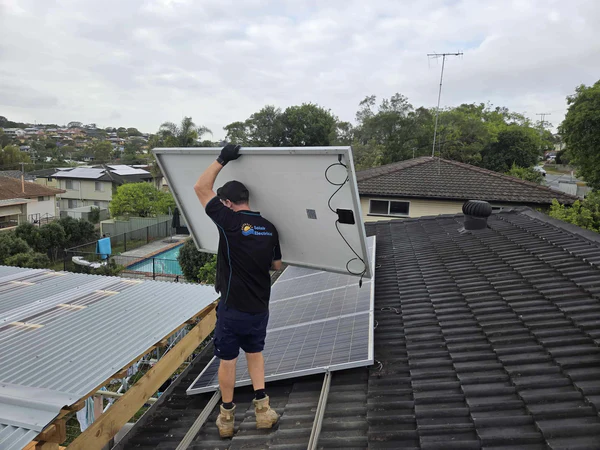
Step 3: Documents may be reviewed by attorneys at Consumer Advocacy Law Group. The attorney determines whether the homeowner may qualify for further legal review under Florida and federal law.
4
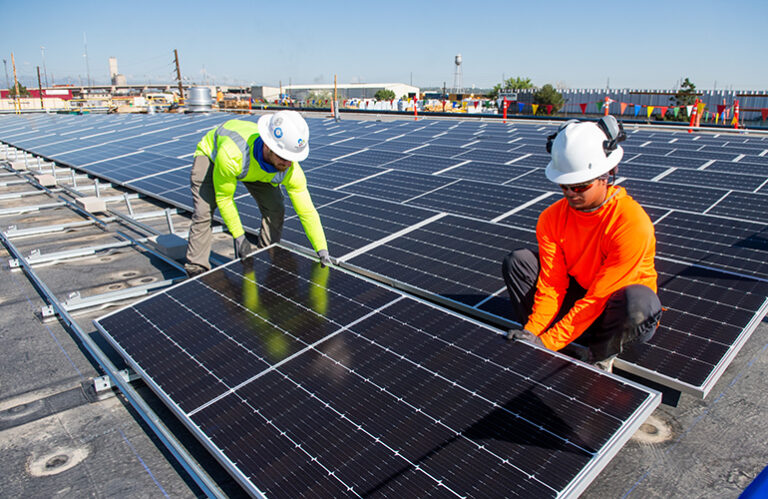
Step 4: If the law firm accepts the matter, the homeowner enters a fixed-fee engagement directly with the firm. Fee is disclosed up front — no hourly billing surprises and no contingency on outcome.
Solar Cancellation Resource Center is the marketing and intake service throughout this process. The legal review is performed by attorneys at Consumer Advocacy Law Group. The homeowner’s attorney-client relationship, if any, is with the law firm — not with us.
Florida Service Areas
Solar Cancellation Resource Center serves homeowners throughout Florida — all 67 counties. The four regions below have the highest concentration of homeowner intakes.
Florida Region
Florida-specific solar context
Florida-specific solar context
South Florida
FPL service territory primarily. High residential solar density. Heavy door-to-door activity. Hurricane Milton landfall impact. Includes Miami, Fort Lauderdale, West Palm Beach, Hialeah, Pompano Beach, Coral Gables, Miami Beach, Boca Raton.
Tampa Bay & Gulf Coast
Mixed FPL / TECO / Duke Energy territories. Heavy hurricane impact (Helene + Milton). MC Solar AG enforcement matter centered on Hillsborough County. Includes Tampa, St. Petersburg, Clearwater, Sarasota, Bradenton, Fort Myers, Naples.
Central Florida
Duke Energy and OUC (municipal Orlando) territories. Growing solar adoption. Includes Orlando, Kissimmee, Lakeland, Winter Park, Daytona Beach, Melbourne, Ocala.
North Florida & Panhandle
Duke Energy, Gulf Power, and municipal utilities. Hurricane Helene heavy impact in Big Bend area. Includes Jacksonville, Tallahassee, Pensacola, Gainesville, Panama City.
Stop guessing if you can cancel your solar contract...
Take this quiz to see if you're eligible for cancellation.
Florida Solar Cancellation FAQs
How long do I have to cancel a solar contract in Florida?
Some homeowners attempt this, but solar contracts are long, complex, and written by the solar company’s attorneys. A qualified law firm has the legal training to identify what may be a potential issue. SCRC’s role is to collect and organize your documentation so the qualified law firm can review it.
Does FDUTPA apply to my solar contract?
The Florida Deceptive and Unfair Trade Practices Act (Florida Statutes §501.201 et seq.) applies broadly to consumer transactions in Florida. FDUTPA prohibits “unfair methods of competition, unconscionable acts or practices, and unfair or deceptive acts or practices.” The Act incorporates standards of unfairness and deception developed by the Federal Trade Commission. FDUTPA allows actual damages, attorney’s fees, and (in AG enforcement actions) civil penalties up to $10,000 per violation, or $15,000 for violations affecting senior citizens or persons with disabilities. Whether FDUTPA applies to your specific solar contract is a fact-specific question that a qualified Florida attorney would evaluate.
What happens to my solar contract if my home was damaged by Hurricane Helene or Milton?
Hurricane damage to solar panels does not automatically cancel the contract. The homeowner may have a property insurance claim for the panel damage (Hurricane Helene supplemental insurance claims are due by March 26, 2026; Hurricane Milton supplemental claims are due by April 9, 2026). The solar company may also have warranty obligations for storm damage, depending on the contract and warranty terms. If the system is non-functional and the solar company will not repair it, that may be a separate non-performance issue worth review. A qualified attorney may evaluate how the insurance, warranty, and contract obligations interact in the homeowner’s specific situation.
What about PACE financing on my Florida home?
Florida has a large residential PACE market. PACE assessments are repaid through the homeowner’s property tax bill and create a lien on the property tax. Federal court precedent (Middle District of Florida) has confirmed that PACE loans are subject to the federal Truth in Lending Act, which means PACE lenders have specific disclosure obligations. Florida homeowners with PACE-financed solar may have legal grounds based on TILA disclosure issues, FDUTPA, or other claims. A qualified attorney may review the specific situation.
What if I signed with SunPower or Sunnova?
Both companies have been in bankruptcy proceedings (SunPower in 2024, Sunnova Chapter 11 in 2025). A bankruptcy filing does not automatically cancel a homeowner’s contract. Lease, loan, or PPA payments may still be owed. Warranty and service obligations may be impaired. If the financing was provided by a separate lender, that lender is a separate company and the financing relationship continues. Florida homeowners with SunPower or Sunnova contracts should organize documentation and consider an intake review.
How do I file a complaint against my solar company in Florida
Florida homeowners can file complaints with multiple agencies. The Florida Attorney General’s Consumer Protection Division handles deceptive trade practices complaints (myfloridalegal.com). The Florida Department of Business and Professional Regulation (DBPR) accepts complaints about licensed solar contractors. The Florida Office of Financial Regulation handles complaints about lenders. Filing a complaint is a separate process from a private legal review.
How do I avoid Florida "solar exit scam" companies?
The Florida Bar and consumer protection attorneys have warned about bad-actor companies that pose as legal services, charge steep upfront fees, and provide only template letters. To verify any solar exit service: (1) verify any claimed attorney’s license at floridabar.org; (2) demand a written engagement letter that names the actual law firm and attorney; (3) verify the company’s BBB rating and reviews independently; (4) be cautious of companies that pressure for immediate fees before you have a chance to verify them. Solar Cancellation Resource Center is transparent that we are a marketing and intake service, not a law firm. Any legal review is performed by attorneys at Consumer Advocacy Law Group, a separate qualified law firm that the homeowner engages directly.
Will cancelling my Florida solar contract affect my credit?
We do not provide guidance on credit. Decisions about credit, payment, and finance are not within the scope of what Solar Cancellation Resource Center provides. A qualified Florida-licensed attorney is the appropriate person to advise on whether and how a particular legal action may interact with the homeowner’s specific financial situation.
Is there a cost to submit an intake?
No — submitting your information for an intake review is free. If the case meets initial criteria and a law firm accepts the matter, the homeowner enters a fixed-fee engagement directly with Consumer Advocacy Law Group. The fee is disclosed up front before the homeowner agrees to anything.
How long does the intake process take?
Initial intake can usually be completed within a few minutes by phone or through the online form. Full document collection generally takes a few days to a couple of weeks, depending on how quickly the homeowner provides their documentation.
The questions below come up most often during Florida homeowner intakes. They are general information only — they are not legal advice.
Related Resources
Take the First Step Toward Freedom
You don’t have to stay trapped in a solar contract. Find out if you qualify — it’s free, fast, and confidential.
Solar News

Can a Lawyer Void a Solar Contract? UCC-1 Liens, TILA Audits, and Rescission Explained

Misled Before You Signed? How to Fight Back Against a Bad Solar Contract